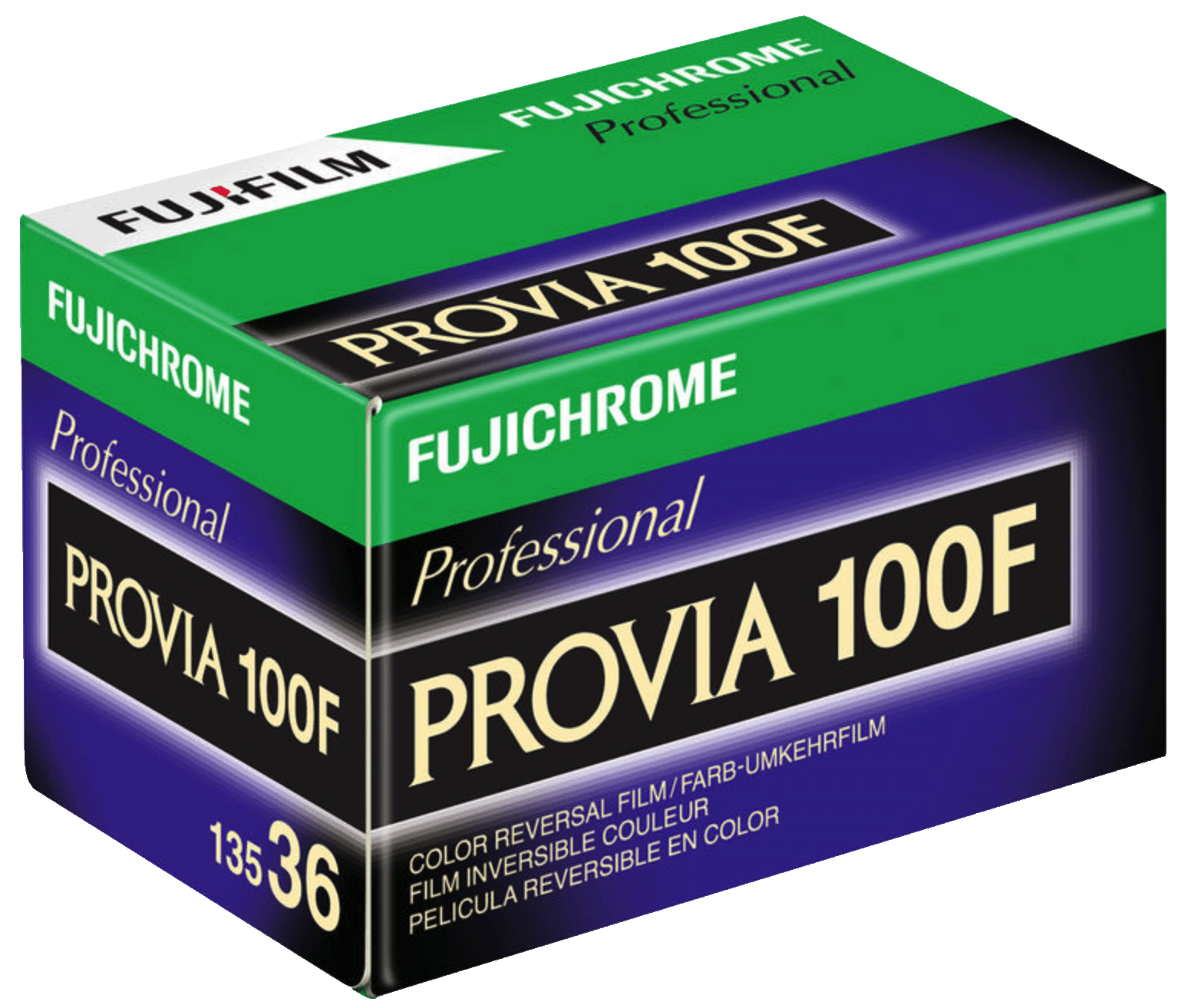
In a recent article I suggested some Nikon bodies to use. Today I'll tackle what to put into them. I have a full article about all available film stocks I know of in the Learn section of the site, but today I'm just talking about what film stocks I'd spend most of my time with. If you're into slide (reversal) film, then my suggestions are pretty slim: Kodak Ektachrome 100, Fujifilm Velvia 50, or Fujifilm Provia 100F. We don't have many choices in the reversal film market that are reliable, but the three I just listed all come into and go out of inventory all the time, so can be difficult to find. All three are E-6 process films, for which you can still find plenty of labs that can process them for you. All three have excellent color and very fine grain structure. I've used all three of these slide films, but my standard for most of late film career was Provia 100F. I found it to be the most "natural" of the three (though skies go a bit Fujifilm magenta). Moreover, the company I was working for (Rodale) had standardized on it for their own work, so getting images digitized and color managed was easy for me. Provia 100F can be pushed a stop, if necessary, but I wouldn't go further than that. Be aware that the cost for Provia 100F with processing these days is nearly US$50 for 36 exposures, so it's on the pricey side. If you're on a slide film budget, then Kodak E100 is a better choice, as it'll save you as much as US$10 a roll. On the color negative side the primary choices these days are Kodak Gold 200, Portra 400 and 800, Ektar 100, Kodacolor 100/200, and UltraMax 400; or Fujifilm 200/400. All of these are standard C-41 processing, so as with the slide films, you can still find plenty of places to develop your images for you. I like Kodak Portra 400 and Fujifilm 200, myself. Both have good looking skin tones when exposed properly. The good news here is that the film roll cost is substantively less than with slide film, and you should be able to get your overall per image cost under a dollar, perhaps well under if you shop around carefully or don't have everything printed. For black and white, the key choices these days are Kodak Tri-X, Fujifilm Neopan 100 Acros, and Ilford HP5 Plus. If you need to work in low light, then consider Kodak T-Max P3200 or Ilford Delta 3200. Black and white processing is still easily done at home, but there's more variability in the actual chemicals and times used; home developing can be like bringing Ansel Adams back to life, with lots of perfectionist tweaks and special sauces. Believe or not, Tri-X is the low-cost winner these days, running you about 30 cents an image for the film (still needs processing and printing).